 Image 1 of 2
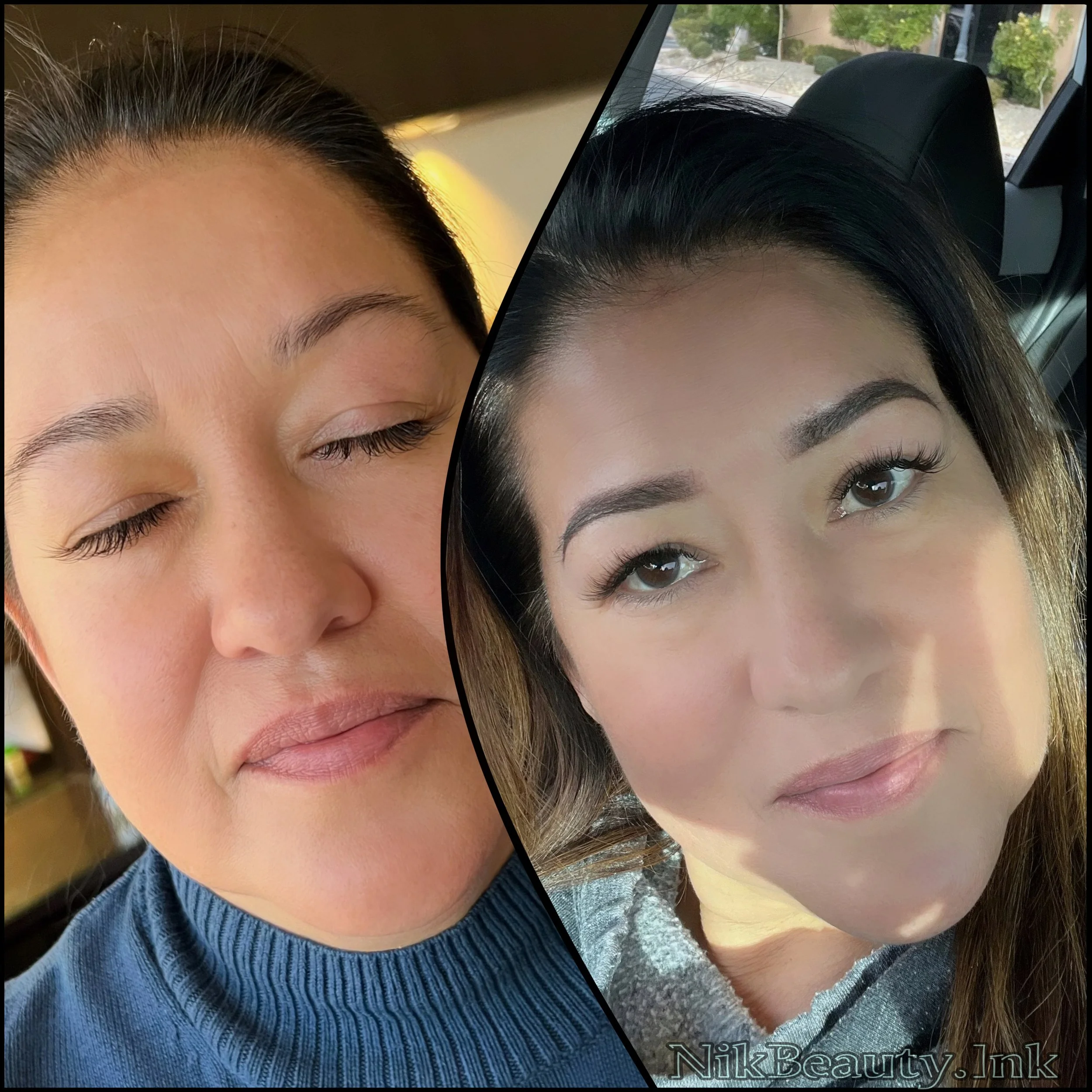 Image 2 of 2
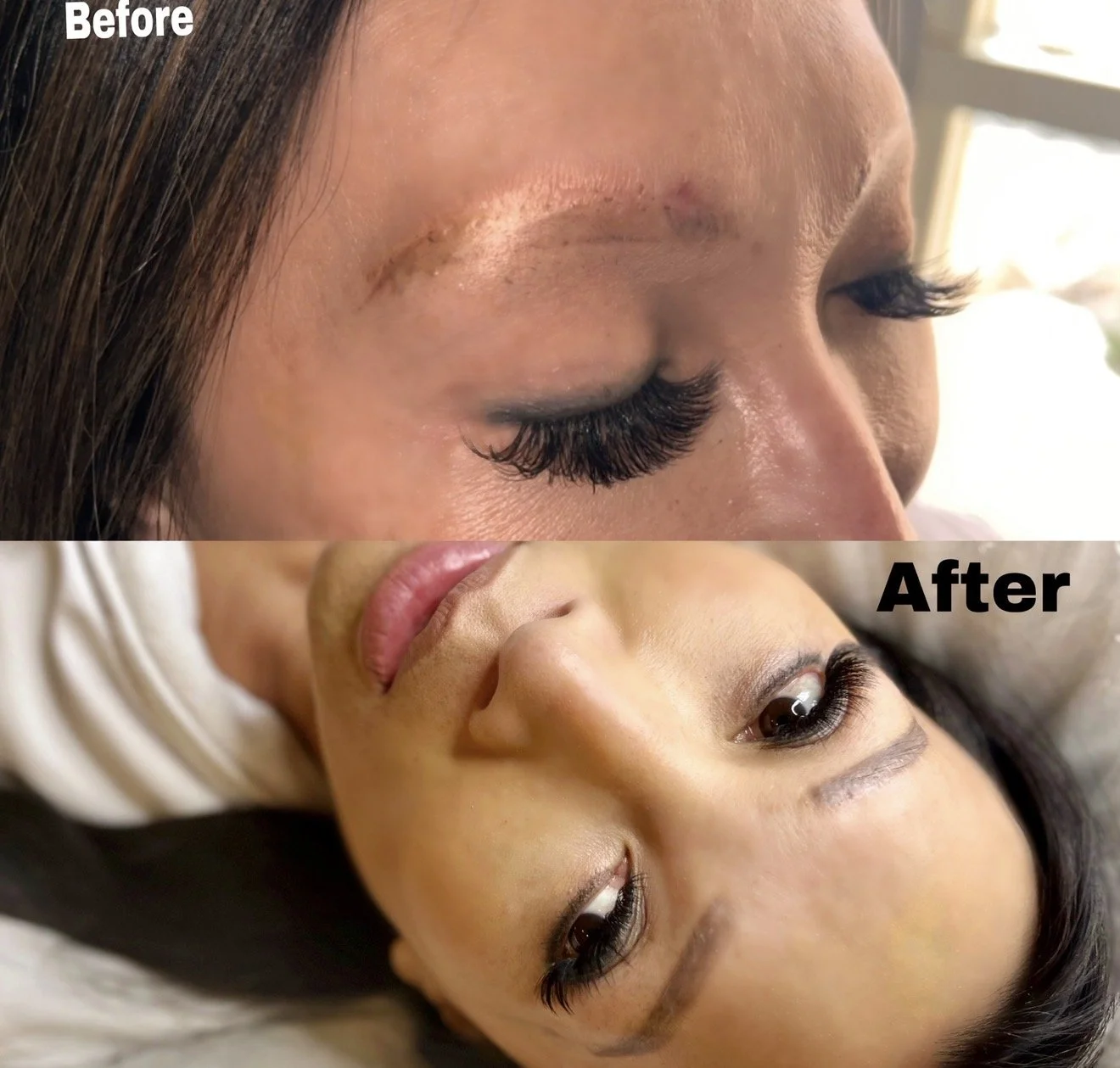
Scar camouflage tattooing, often called paramedical tattooing or skin re-pigmentation, is a specialized process that uses skin-toned pigments to blend scars into the surrounding tissue.
The Process
Custom Color Matching: I custom-mixes pigments to match your specific skin undertones using a technique similar to pointillism to mimic natural skin texture.
Layering: Pigment is deposited into the dermis layer. Because skin tone fluctuates with light and blood flow, this usually requires 2–4 sessions to build a realistic, multi-dimensional finish.
Needling: The process of the needle hitting the scar can also trigger collagen induction, which may help flatten or soften the scar's texture while adding color.
Ideal Candidates
To be eligible for treatment, a scar must meet specific criteria:
Fully Healed: The scar must be at least 12–18 months old and no longer pink or red.
Lighter than Surrounding Skin: It works best on hypopigmented (white or pale) scars. It cannot lighten a scar that is already darker than the surrounding skin.
Flat Texture: While it changes the color, it cannot "erase" a raised (keloid) or deeply pitted scar. It is most effective on flat, smooth surgical scars, stretch marks, or stable vitiligo.
Expected Results
Concealment: It provides a permanent "concealer" effect that is waterproof and sweat-proof.
Longevity: Results typically last 3–5 years before requiring a color refresh, depending on sun exposure and skin cell turnover.
Sun Sensitivity: Camouflaged areas will not tan. If the surrounding skin gets darker in the sun, the tattooed scar may become more visible, so consistent sunscreen use is essential.
Scar camouflage tattooing, often called paramedical tattooing or skin re-pigmentation, is a specialized process that uses skin-toned pigments to blend scars into the surrounding tissue.
The Process
Custom Color Matching: I custom-mixes pigments to match your specific skin undertones using a technique similar to pointillism to mimic natural skin texture.
Layering: Pigment is deposited into the dermis layer. Because skin tone fluctuates with light and blood flow, this usually requires 2–4 sessions to build a realistic, multi-dimensional finish.
Needling: The process of the needle hitting the scar can also trigger collagen induction, which may help flatten or soften the scar's texture while adding color.
Ideal Candidates
To be eligible for treatment, a scar must meet specific criteria:
Fully Healed: The scar must be at least 12–18 months old and no longer pink or red.
Lighter than Surrounding Skin: It works best on hypopigmented (white or pale) scars. It cannot lighten a scar that is already darker than the surrounding skin.
Flat Texture: While it changes the color, it cannot "erase" a raised (keloid) or deeply pitted scar. It is most effective on flat, smooth surgical scars, stretch marks, or stable vitiligo.
Expected Results
Concealment: It provides a permanent "concealer" effect that is waterproof and sweat-proof.
Longevity: Results typically last 3–5 years before requiring a color refresh, depending on sun exposure and skin cell turnover.
Sun Sensitivity: Camouflaged areas will not tan. If the surrounding skin gets darker in the sun, the tattooed scar may become more visible, so consistent sunscreen use is essential.